
an architect’s travel diary
-
Into the Miao World: a day in Xijiang Qianhu
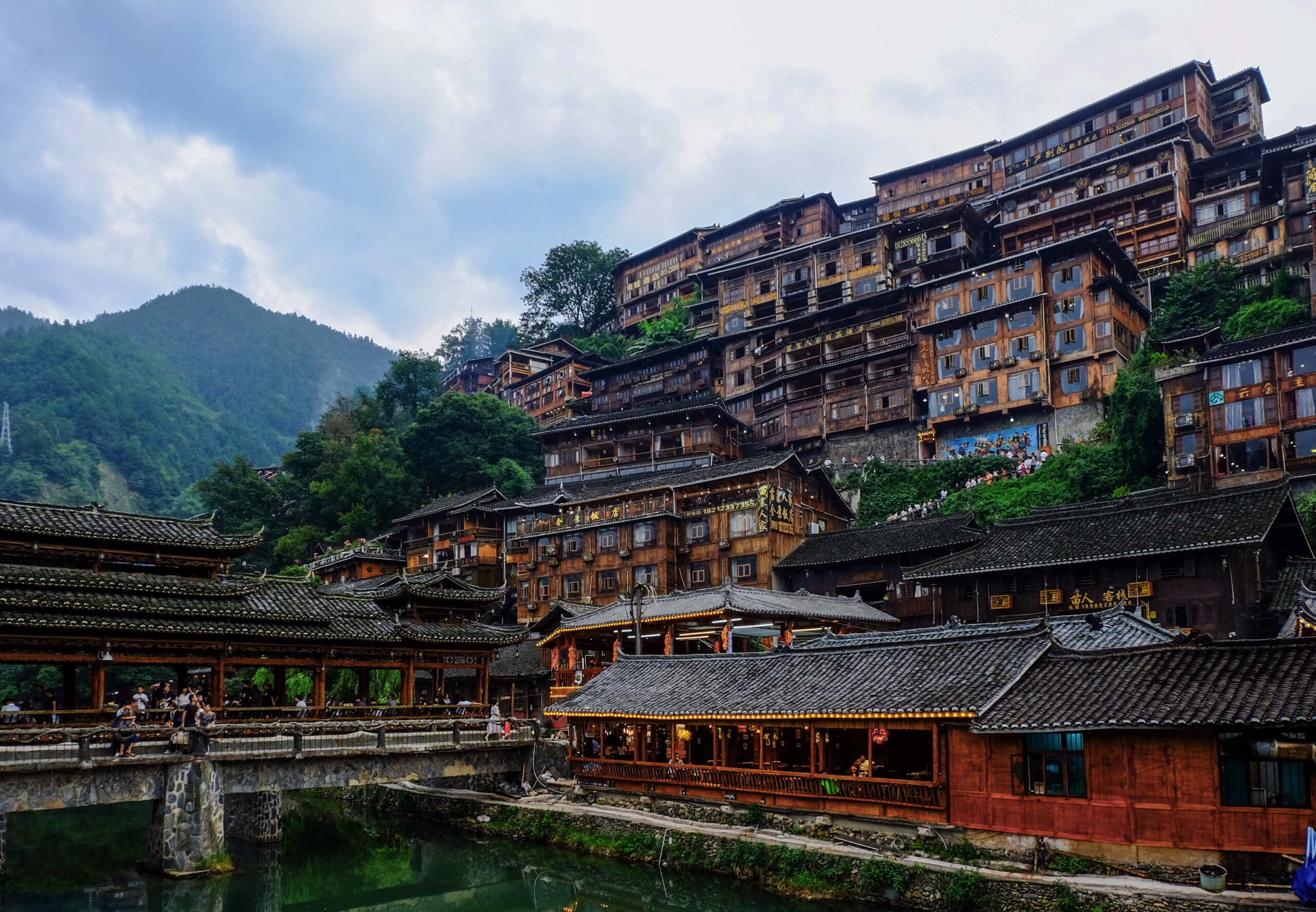
Xijiang Qianhu is located in the valley of Leigong Mountain National Park, around 25 km from Kaili, and is composed by 10 villages spread over 50 square kilometers.The cultural center though revolves around the village of Xijiang, which is the most accessible and which in the recent years gained a lot of popularity.The huge village of Xijiang (which is growing in its…
-
A photographic journal of a day in Tongli Water Town
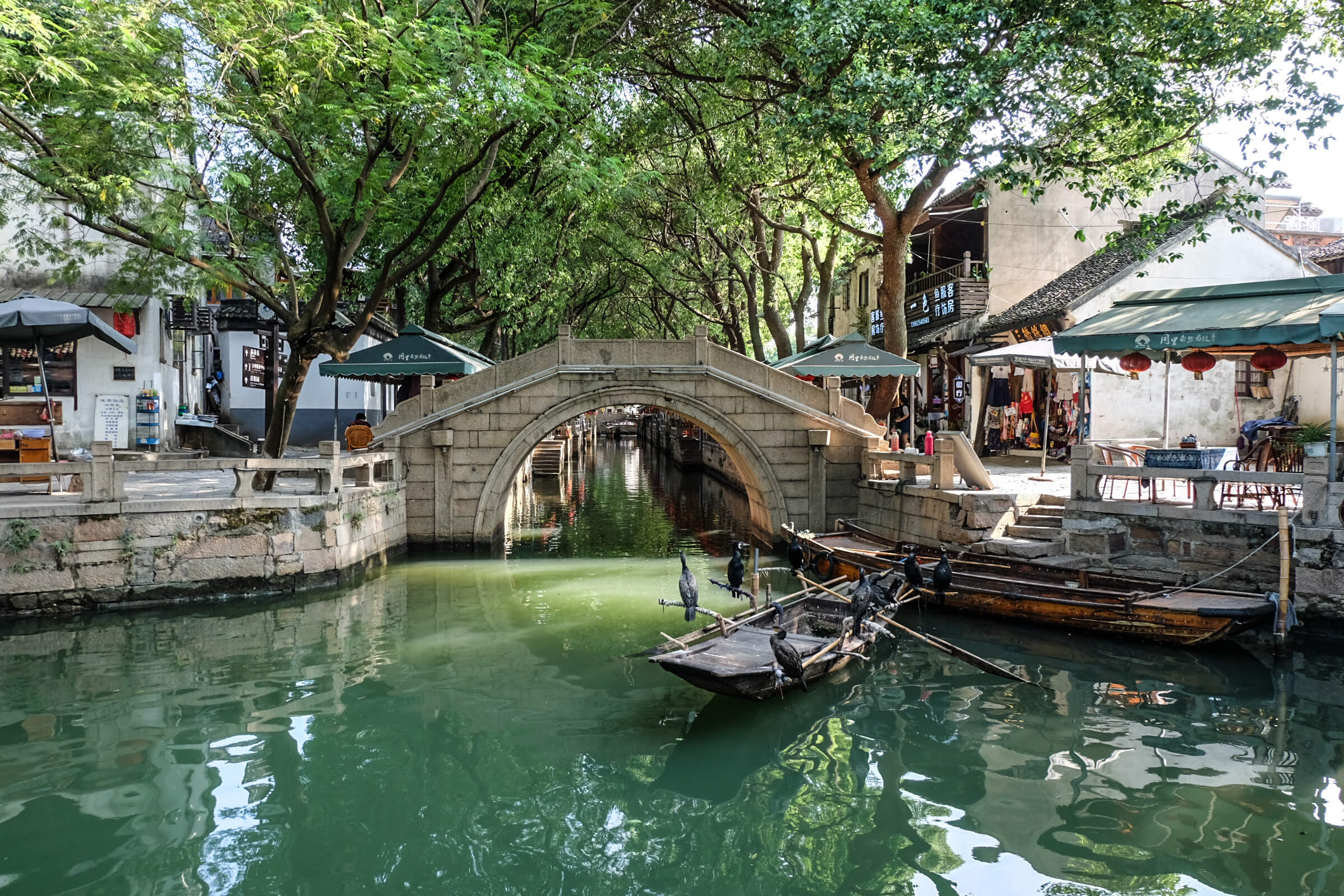
The Jiangsu countryside that stretches between the cities of Suzhou and Shanghai is home to a many small, charming water towns, many of which are located along the Grand Imperial Canal (an artificial canal that connected Hangzhou to Beijing with the aim of bringing supplies of goods and food to the Imperial capital) and its tributaries. Characterized by picturesque canals crossed by…
-
Chinese gardens and historic water streets: the highlights of Suzhou
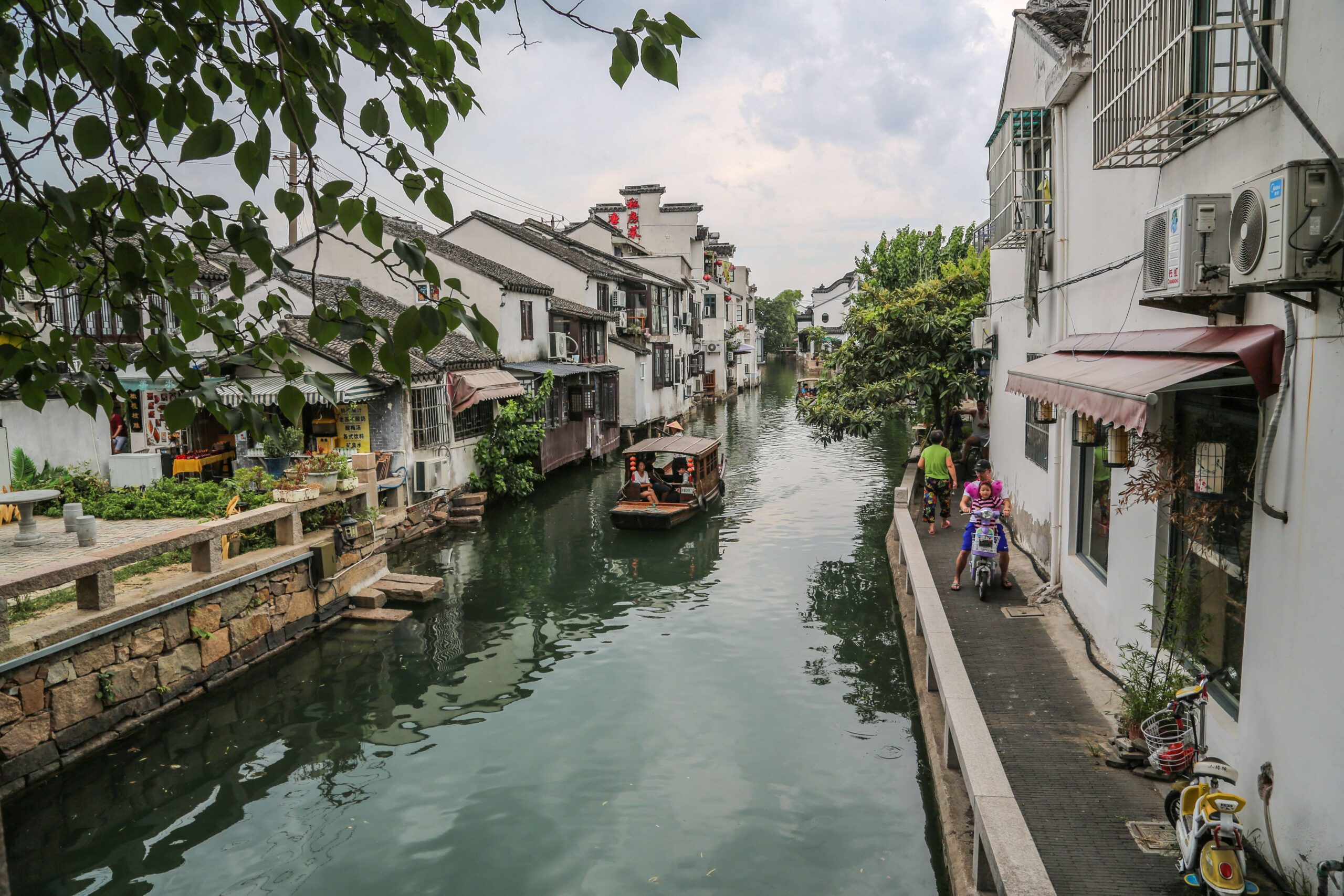
Described by the Chinese as the “Venice of the East,” Suzhou is considered one of the most beautiful and picturesque cities in all of China. The city is a source of national pride thanks to its wonderful gardens and its ancient waterways, which attract multitudes of visitors from all over the World. The city has a rich history of over…
-
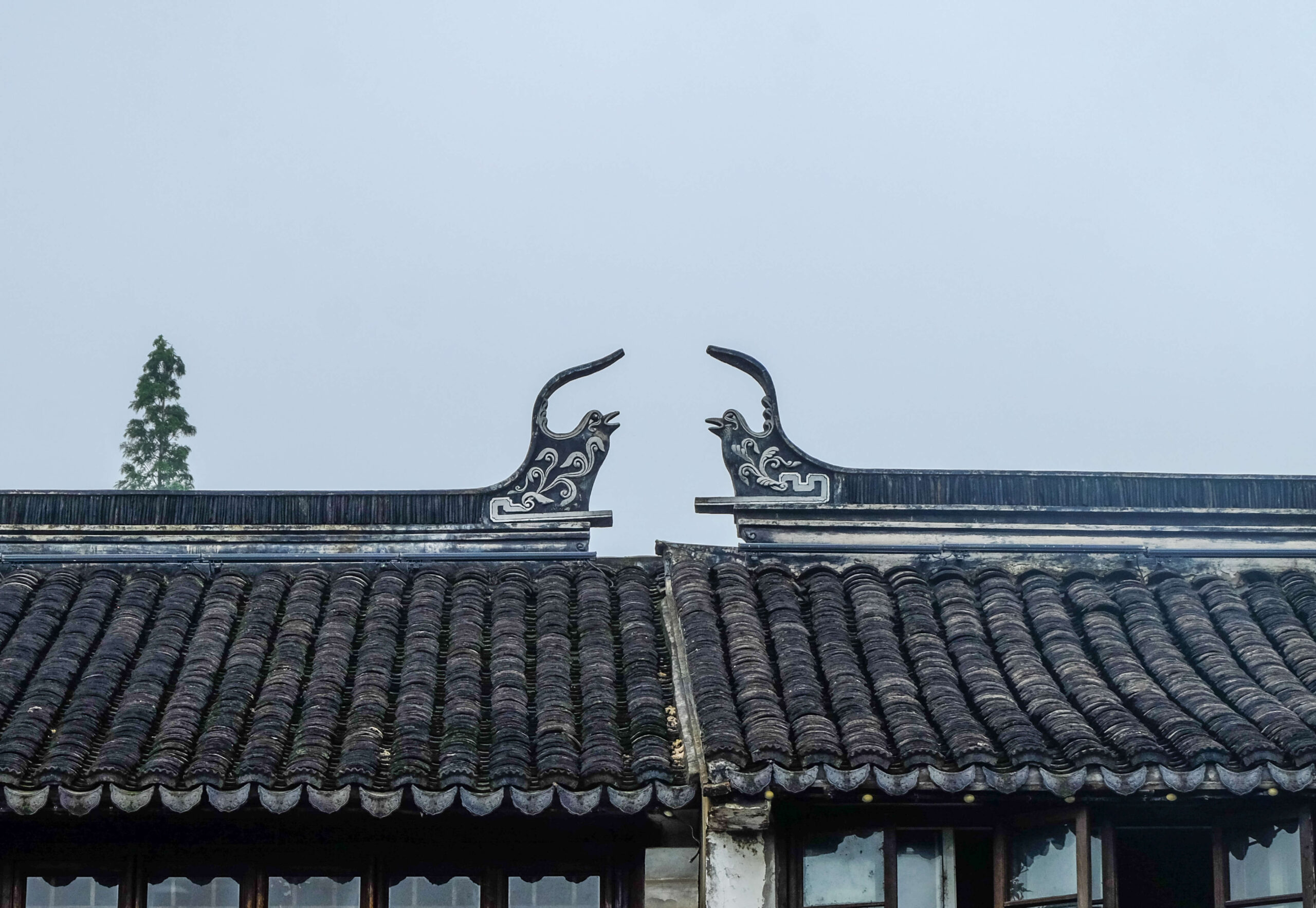
Postcards from Lili Water Town
Thanks to a business trip in the area, I had the chance to spend half a day in the little Lili Water Town ( 黎里古镇 Lí lǐ gǔzhèn), just outside the city of Suzhou.The small town sprawls out around its central canal, hosting some of the most picturesque traditional whitewashed buildings of this area in Jiangsu Province. A boatman rows quietly…
-
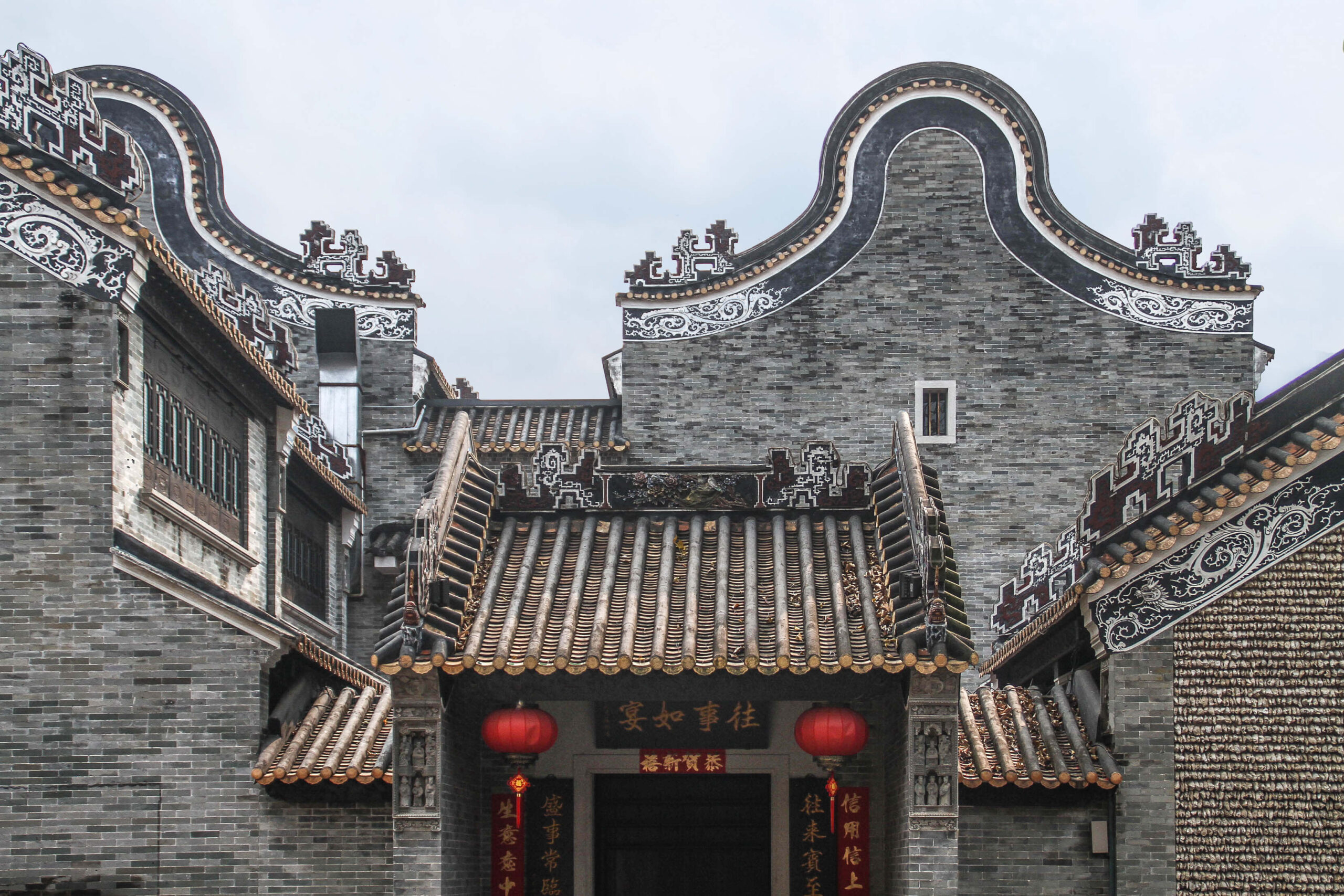
Shawan Ancient Town: Lingnan Architecture in Guangzhou
Lingnan’s Architecture is the traditional Cantonese style, typical of the region around the city of Guangzhou in the Guangdong Province of Southern China. You don’t need to go too far into the countryside to have a glimpse of this beautiful and richly decorated style. The district of Panyu, in the southern part of Guangzhou city, is in fact an ancient abode of the traditional city…
-
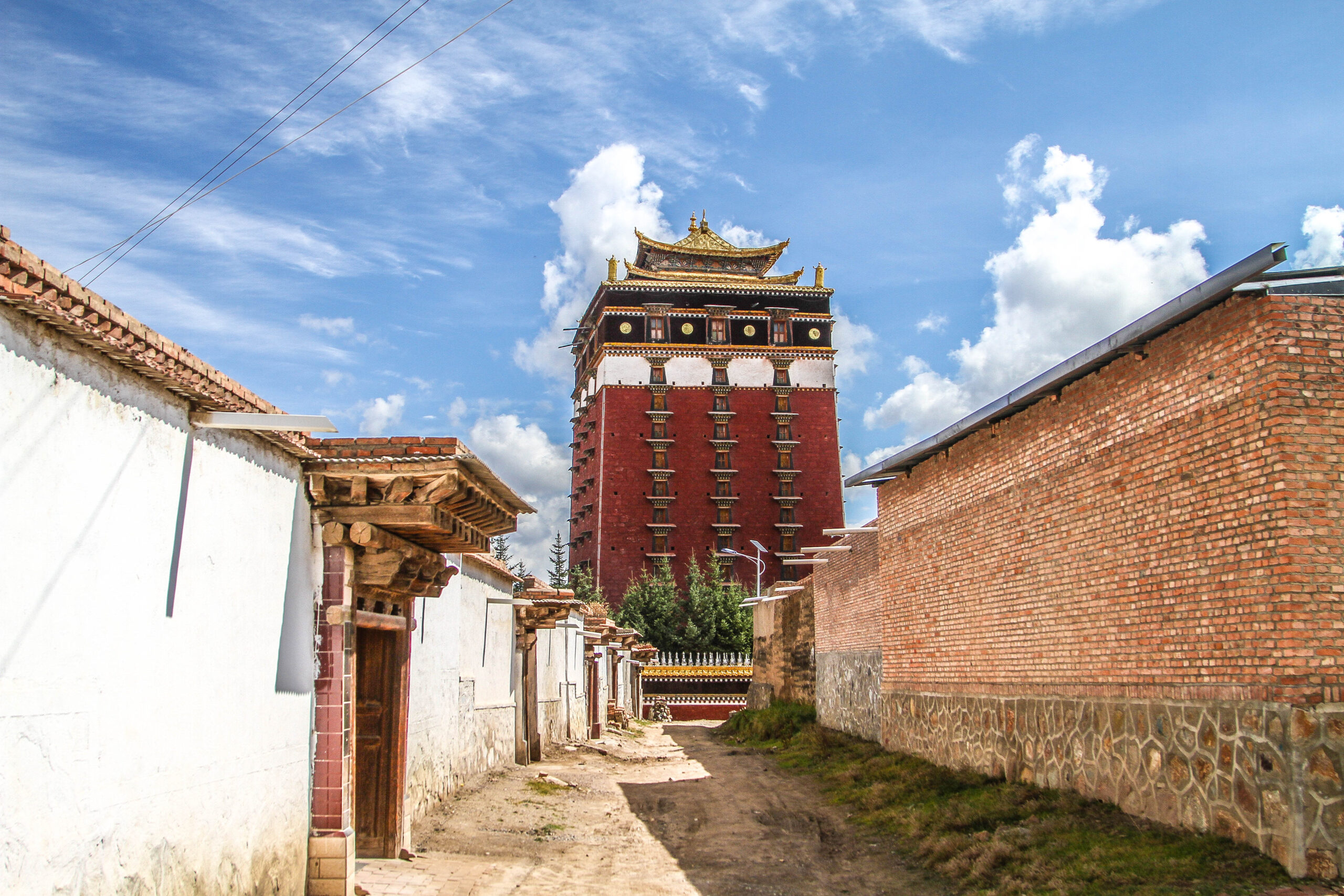
Visiting the Milarepa Palace
Milarepa’s palace is a unique, unusual building that leaves visitors speechless. The 9 storey Buddhist temple has a tower shape, and is dedicated to Milarepa (also called Milariba), who is one of the most famous figures in Tibetan Buddhist culture. The Palace is located in the city of Hezuo (合作市), the capital of the Gannan Tibetan Autonomous Prefecture, in the…
What is it about?
This travel blog is born from my desire to share the architectural beauty that surrounds us.
Architecture is indeed much more than just construction techniques; it integrates: design, sociology, psychology, technology, and popular wisdom. It can be regarded as a form of art, one that we experience everyday, actively shaping our daily lives.
With my articles and my pictures I intend to show the memorable places that I have visited, as well as providing information based on my experience that may be useful for fellow travelers and architecture geeks like me.
It is my hope that it will not only inspire people to travel, but to more fully understand and appreciate the local architectural heritage of the places they visit.