
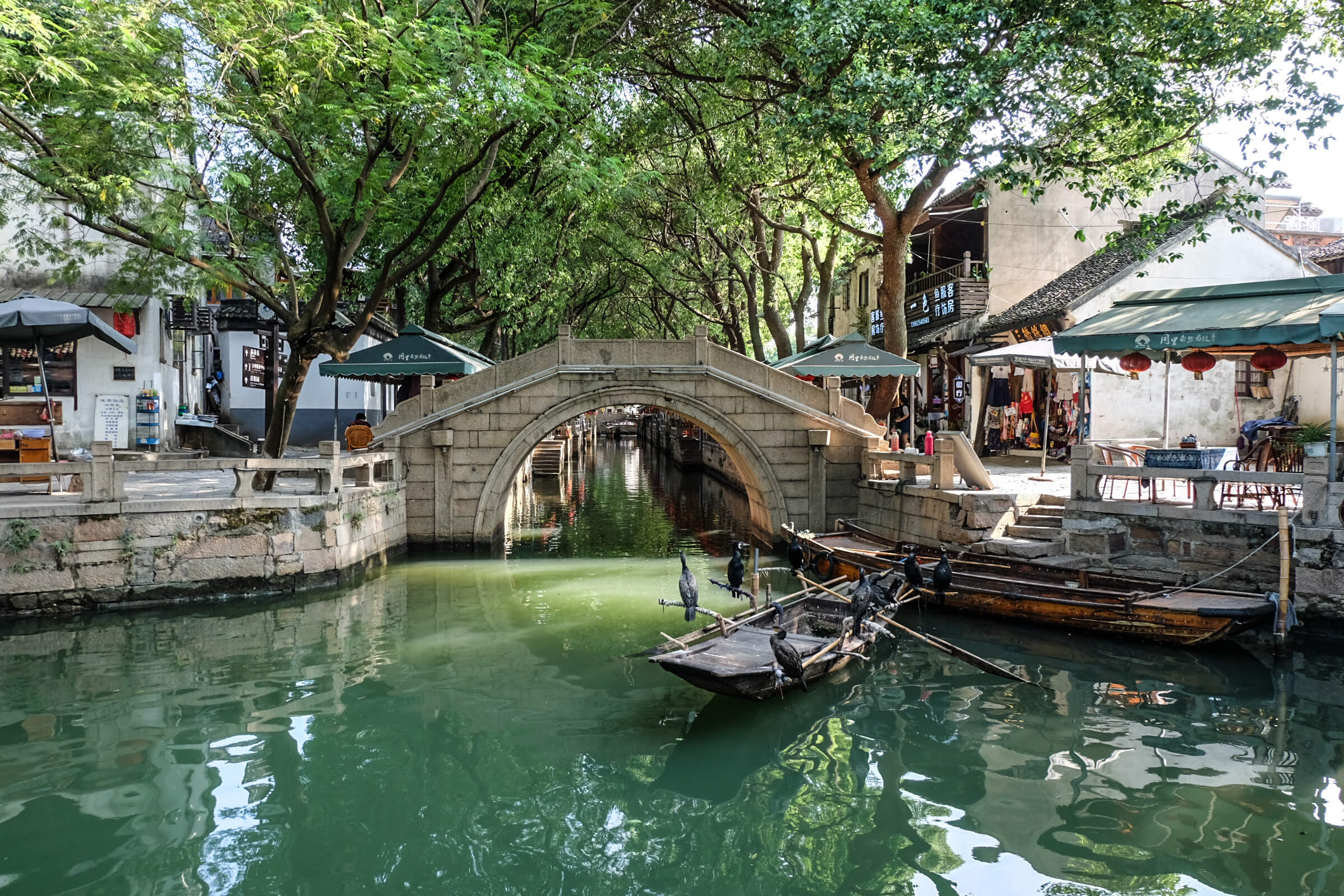
The Jiangsu countryside that stretches between the cities of Suzhou and Shanghai is home to a many small, charming water towns, many of which are located along the Grand Imperial Canal (an artificial canal that connected Hangzhou to Beijing with the aim of bringing supplies of goods and food to the Imperial capital) and its tributaries.
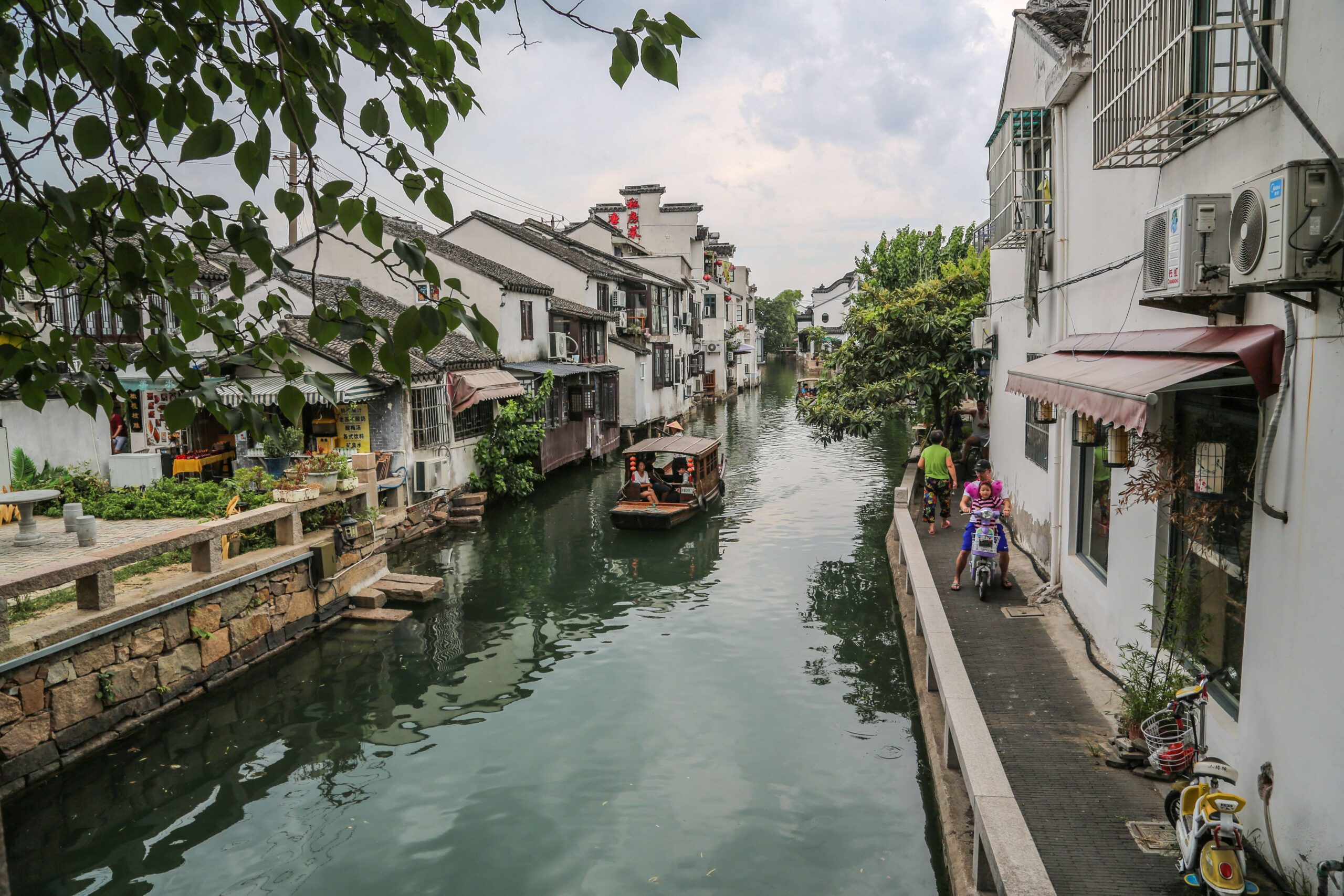
Characterized by picturesque canals crossed by humpback bridges and whitewashed houses that overlook the water, these water towns offer idyllic views and landscapes of traditional China.
In my opinion, it is a great idea to combine ta visit to Suzhou or Shanghai with a 1 day / half day trip to one of these beautiful, ancient places.
Some of these towns have not been influenced by mass tourism, and they retain a tranquil and traditional environment.
Others are very famous and busy tourist destinations; the houses and traditional architecture have been heavily restored, and along the waterways a large number of souvenir shops, restaurants, and boutique hotels have been opened, transforming the landscape into a touristy and commercial scene, losing much of the quiet, relaxed feeling.
The most famous and accessible water towns from downtown Suzhou or Shanghai are: Wuzhen, Tongli, Xitang, Zhujiajiao, Qibao, Luzhi, Zhouzhuang, Fengjing.

Exploring Tongli Water Town
Among all the water towns of the area, I decided to visit Tongli ( 同里古镇 Tónglǐ gǔzhèn).
My impression of this small water town was very positive, so much so, that I decided to come back with my family for their first visit to China.

Built in the Song Dynasty (960–1279), Tongli is one of the most well-known water towns around Suzhou, and like many of the most popular; it has an entry ticket of 100 rmb (quite pricey I have to admit). Despite its popularity, Tongli retains a laid-back feeling.
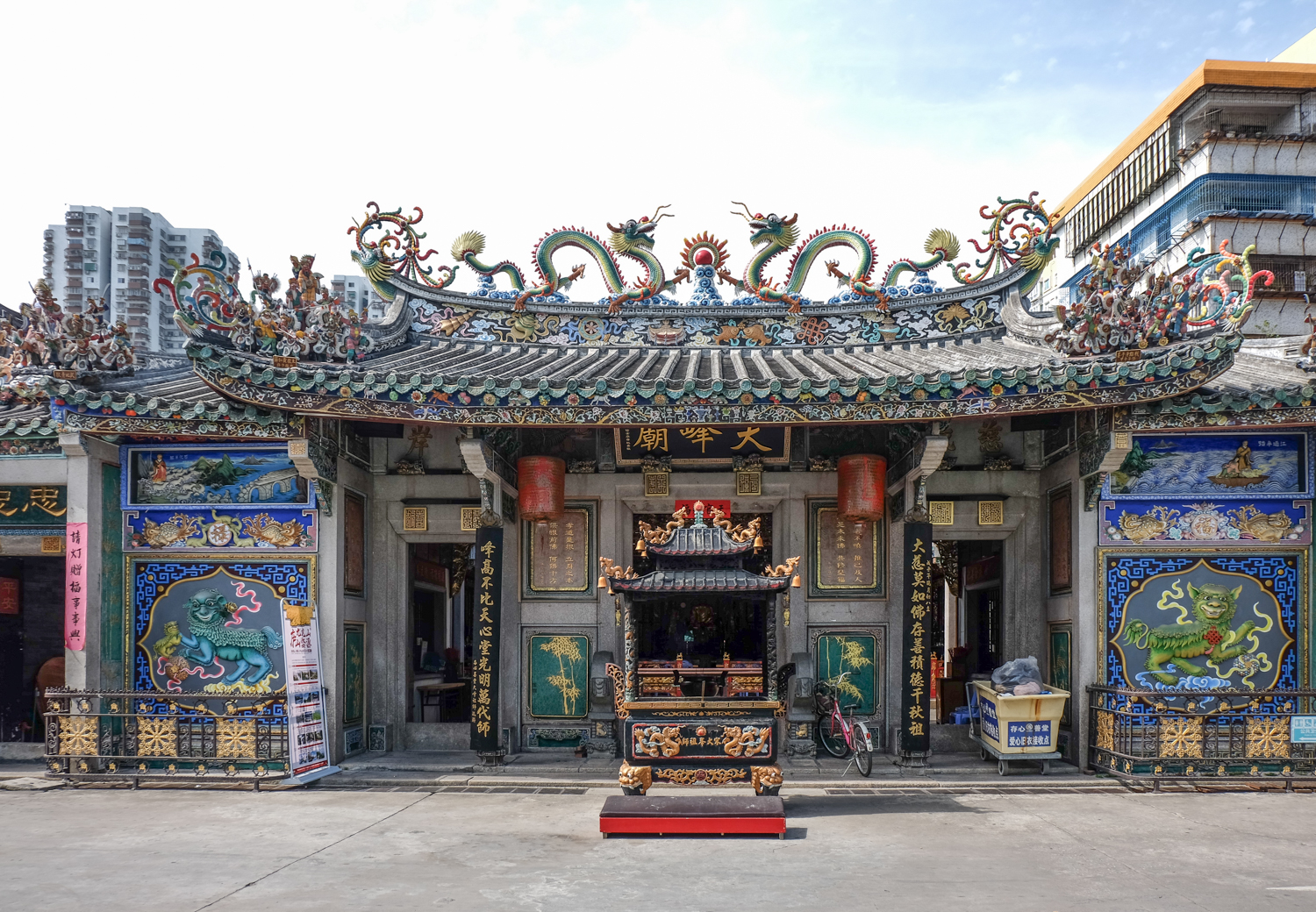
Walking along the canals and along the narrow alleys, you can admire an interesting number of well preserved traditional houses, pavilions, temples, and a few gardens. Public spaces are well kept and clean. The atmosphere is peaceful and the number of tourists is rather small compared to some more popular sites that have been spoiled by mass tourism and the commercialization that ensued.
Yes, the city is home to some souvenir shops and local products, but the perception I had while walking along its canals and alleys is that the place was very well preserved despite being open to tourism: the right medium between commercial activities and local life.


Leave a Reply